
Flood Damage Restoration in Rio Rancho, New Mexico
Flood Damage Restoration in Rio Rancho, New Mexico
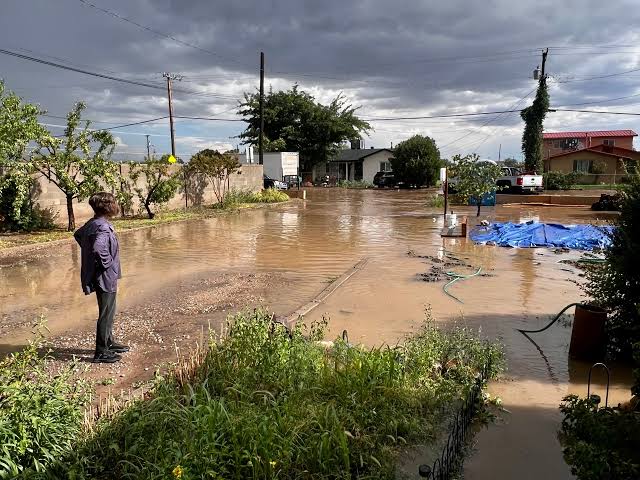
Flood water is not like a leaky pipe. It carries silt, debris, and contaminants into everything it touches—and it often arrives with little warning during monsoon season or a sudden storm. Sandia Disaster Restoration provides flood damage restoration in Rio Rancho, removing flood water safely, cleaning and disinfecting affected areas, and drying and repairing your property. Call (505) 933-7204 for 24/7 emergency response.
Services We Provide
Water Damage Restoration
Fire and Smoke Restoration
Mold Remediation
Post-Disaster Continuity
Board-Up and Security
Complete Reconstruction
Specialty Cleaning
Storm Damage
Why Flood Water Is a Different Kind of Damage
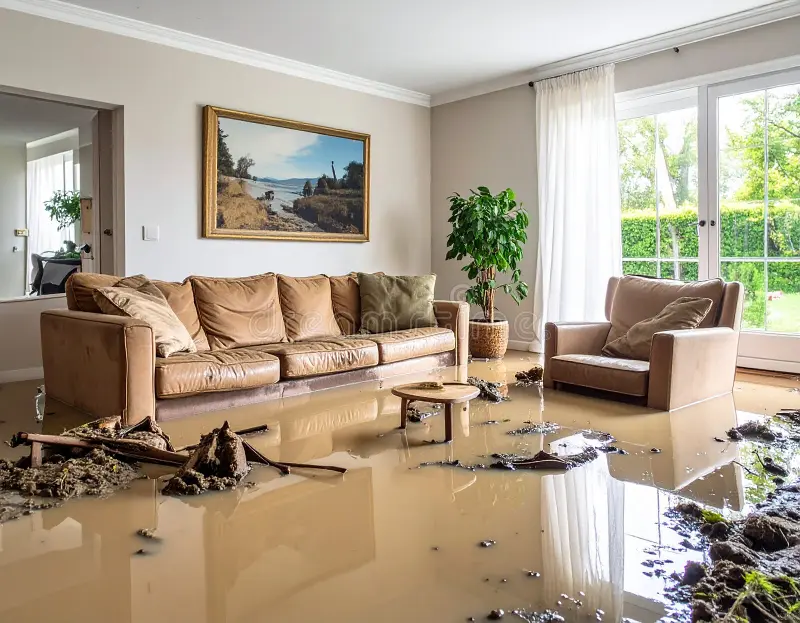
Not all water damage is equal. Clean water from a supply line is one category; flood water is another entirely. Flood water is classified as Category 3—”black water”—because it can carry sewage, chemicals, bacteria, and debris picked up as it moved across the ground.
That changes the response:
-
Safety comes first. Flood water can be electrically hazardous and biologically contaminated. We assess and isolate the area before work begins.
-
Porous materials often can’t be saved. Carpet, padding, drywall, and insulation that absorbed contaminated water usually must be removed rather than dried.
-
Cleaning and disinfection matter as much as drying. Surfaces that remain must be cleaned and treated, not just dried.
-
The moisture source may not be a pipe. Flooding can come from storm runoff, overwhelmed drainage, or water entering at grade level—so finding and stopping the entry point is part of the job.
(If you’re dealing with clean-water damage from a pipe or appliance instead, see our water damage restoration page.)
Our Flood Damage Restoration Process
Step 1 — Emergency assessment and safety.
We evaluate structural stability, electrical hazards, and contamination level before entering or working in the space.
Step 2 — Flood water extraction.
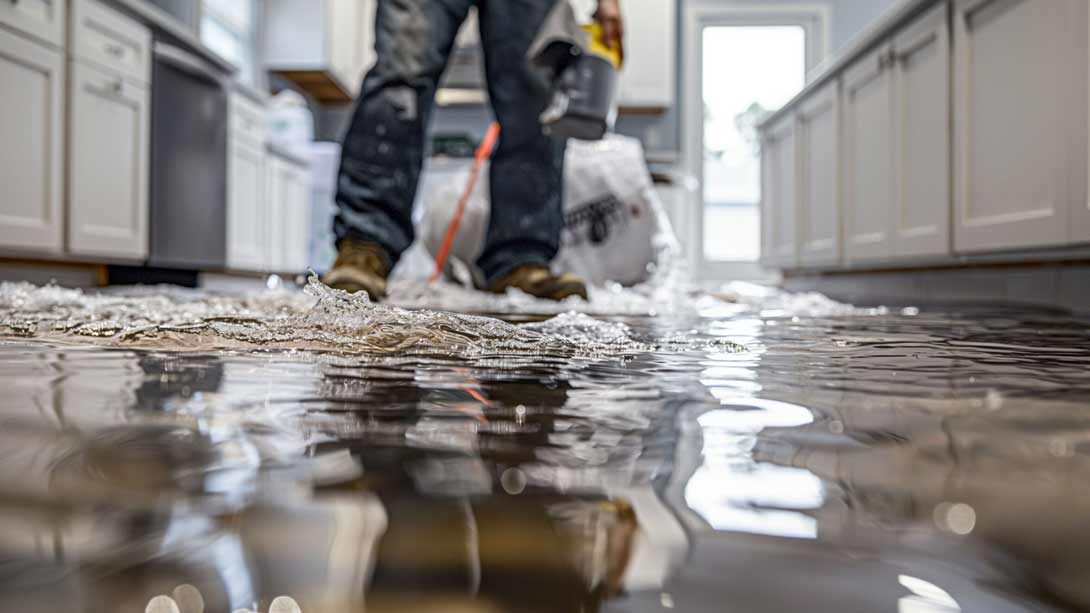
Standing water is pumped and extracted using truck-mounted and portable equipment. (For clean-water extraction and drying detail, see water extraction and structural drying.)
Step 3 — Removal of contaminated materials.
Carpet, padding, drywall, and insulation that absorbed flood water are removed and disposed of properly.
Step 4 — Cleaning and disinfection.
Remaining surfaces are cleaned, treated, and disinfected to address contamination left behind by flood water.
Step 5 — Structural drying.
Air movers and dehumidifiers dry the structure, with moisture levels monitored until materials reach dry standard.
Step 6 — Repairs and reconstruction.
Damaged drywall, flooring, and structural elements are repaired or rebuilt. (Major rebuilds are handled by our post-disaster reconstruction team.)
Flood Cleanup for Homes and Businesses
Residential: We restore flood-damaged homes, removing contaminated materials, disinfecting affected areas, and repairing the structure while keeping your family informed throughout. → Residential Services
Commercial: We respond to flood damage in offices, retail spaces, and rental properties with phased cleanup and after-hours work to limit business interruption. → Commercial Services
What Affects the Cost of Flood Damage Restoration?
-
Contamination level — flood water requires cleaning and disinfection that clean-water losses don’t
-
How much water entered — depth and volume determine extraction time and how much material is affected
-
Materials affected — contaminated carpet, drywall, and insulation usually must be replaced, not dried
-
How long water sat — longer exposure means deeper saturation and higher mold risk (see mold remediation)
-
Repairs needed — restoration ranges from cleanup and drying to full reconstruction
-
Contents — salvaging belongings may involve contents restoration and cleaning or, for hazardous materials, biohazard and trauma cleanup
We provide a written estimate before work begins and bill insurance directly.
FAQs
Is flood water dangerous to clean up myself?
Yes. Flood water can carry sewage, bacteria, and chemicals, and it may create electrical hazards. Professional cleanup protects you and your property.
Can flood-soaked carpet and drywall be saved?
Usually not. Materials that absorbed contaminated flood water are generally removed rather than dried.
How is flood damage different from a burst pipe?
Flood water is contaminated (Category 3), which requires cleaning and disinfection and usually means more material removal. A burst pipe is typically clean water.
How long does flood restoration take?
Extraction and cleanup can take days, drying typically 3–5 days, and repairs add time depending on damage. We give you a timeline after assessment.
Will my insurance cover flood damage?
Flood coverage depends on your policy—standard homeowner policies often exclude flooding, while separate flood insurance may cover it. We document everything to support your claim.
How to Request Help
Call (505) 933-7204 any time—day or night—for emergency water damage restoration in Rio Rancho. We respond 24/7, provide a clear estimate, and work directly with your insurance.
We also serve Albuquerque, Santa Fe, and Sandoval County.